-
The Economic Cycle Explained in Plain English
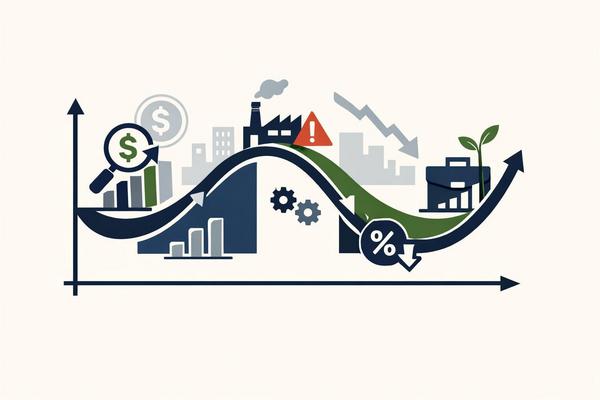
Your grocery bill keeps climbing, your company froze hiring, and the news makes it sound like the economy is doing something different every single week. You’re not imagining it. One month, jobs are everywhere and people are spending like normal. The next, rates are high and everybody starts throwing around the word recession. That’s the…
-
How to Follow Federal Reserve News Without the Jargon
Your mortgage rate quote changed again, your credit card APR is still brutal, and every Fed headline reads like it was written for a Wall Street trading desk. You’re not alone in that. You Don’t Need to Read Every Fed Headline The Federal Reserve talks in a style that makes simple ideas sound way more…
-
Why an Inverted Yield Curve Is a Recession Warning
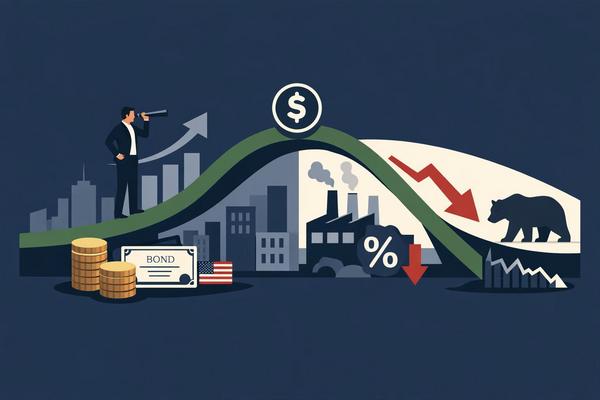
Your bills keep climbing, layoffs are back in the news, and you’re trying to figure out whether the economy is about to get worse. If you’ve heard people mention an “inverted yield curve” like it’s some secret Wall Street alarm, here’s the plain-English version: it’s one of the strongest recession warning signs we’ve got. Most…
-
Low Unemployment and Inflation, Explained
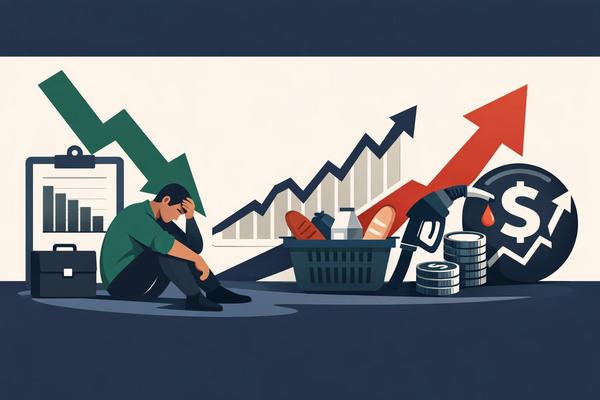
Your grocery bill is higher, hiring signs are everywhere, and somehow prices keep climbing anyway. If you’ve looked around and thought, “How can inflation still be a problem when so many people are working?” — you’re asking the right question. The short version is pretty simple. When unemployment is low, employers have to fight harder…
-
How to Read the Jobs Report Without the Noise
Your paycheck, your job options, and even your 401k can shift on one Friday morning before breakfast. If you’ve ever seen headlines scream that the economy is either booming or falling apart because of one jobs report, you’re not imagining it. The monthly non-farm payroll report matters because it gives one of the fastest reads…
-
How to Read the CPI Report Without the Confusion
Your grocery bill is up, gas keeps bouncing around, and every inflation headline sounds like it matters more than your actual life. Why People Care So Much About CPI The CPI report is the inflation number most Americans hear about because it tries to show how much everyday prices are changing. If you see a…
-
What Is a Recession? Definition and Warning Signs
Your hours feel less secure, layoffs are in the news, and you’re wondering if the economy is about to get rough. A recession is one of those words people throw around long before anyone agrees it’s actually happening. That matters because by the time a recession is officially recognized, regular people have usually been feeling…
-
What Actually Happens During a Recession
Your hours get cut, prices still feel high, and suddenly every money decision feels a lot less forgiving. A recession can feel confusing because it doesn’t hit all at once. One person loses a job, another sees fewer customers, and someone else just notices that friends have stopped going out. What happens during a recession…
-
What a Fed Rate Hike Actually Does to Your Money
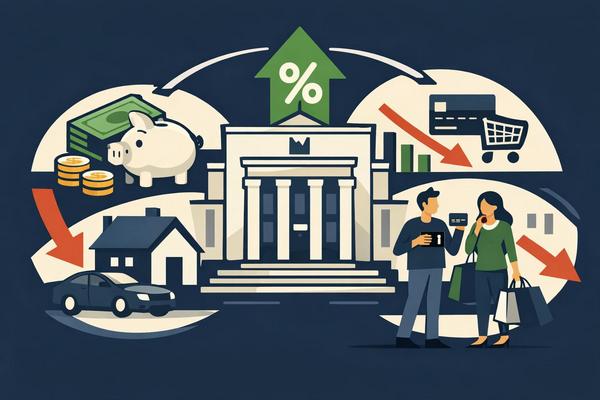
Your credit card feels more expensive, your savings account still looks half-asleep, and every big purchase suddenly seems harder to justify. If you’re trying to figure out what a Fed rate hike actually means for your money, you’re not alone. The headlines make it sound abstract, but it hits real life fast. One month you’re…
-
How the Fed Controls Interest Rates, Simply
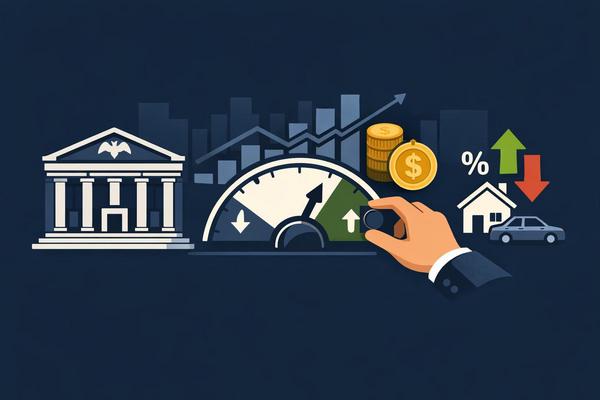
Your credit card rate is brutal, mortgage quotes keep shifting, and savings accounts suddenly look better than they did a year ago — and it all traces back to one institution making one decision. If you’re trying to understand how the Federal Reserve sets interest rates explained simply, here’s the short version: the Fed doesn’t…