-
Gross vs Net Income: What Your Take-Home Pay Actually Means
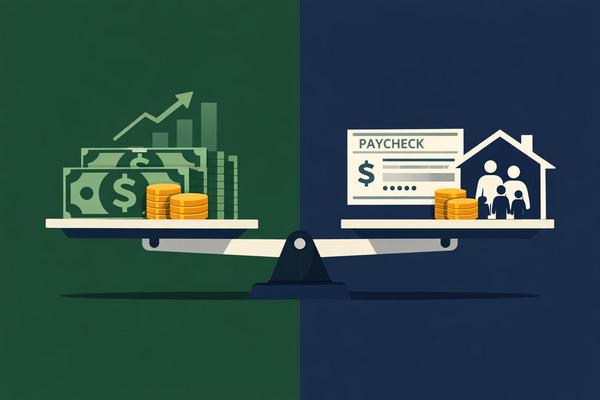
You get a raise, or you see a job offer with a bigger salary, and for a second it feels like real progress. Then payday hits, and the deposit is a lot smaller than the number you had in your head. That gap is exactly why gross income vs net income matters in real life.…
-
How to Stop Impulse Buying Without Feeling Deprived

Your cart keeps filling up with stuff you didn’t plan to buy, and your bank account keeps reminding you after the fact. You’re not lazy, reckless, or secretly terrible with money. Impulse buying usually happens because you’re being hit from every angle by systems built to get you to spend fast and think later. Stores…
-
Zero-Based Budgeting: How It Actually Works
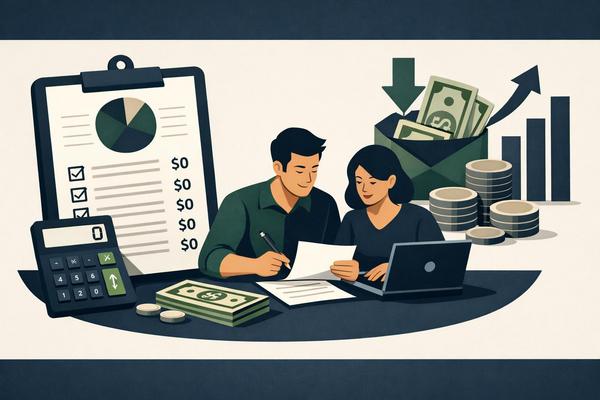
Your paycheck lands, the bills get paid, and somehow there’s still no clear answer for where the rest of the money went. Zero-based budgeting sounds intense the first time you hear it. You give every dollar a job before the month starts, which feels like a lot of work — until you realize that’s exactly…
-
How to Stick to a Budget When Willpower Fails
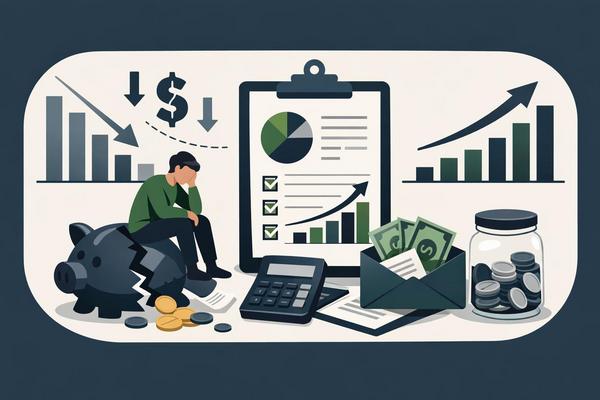
Your budget looks fine on paper, but real life keeps blowing it up by the second week of the month. If you’ve ever made a budget, felt motivated for a few days, and then watched it fall apart — you’re not the problem. A lot of budgeting advice quietly assumes you live the same month…
-
How Subscription Costs Are Quietly Blowing Your Budget
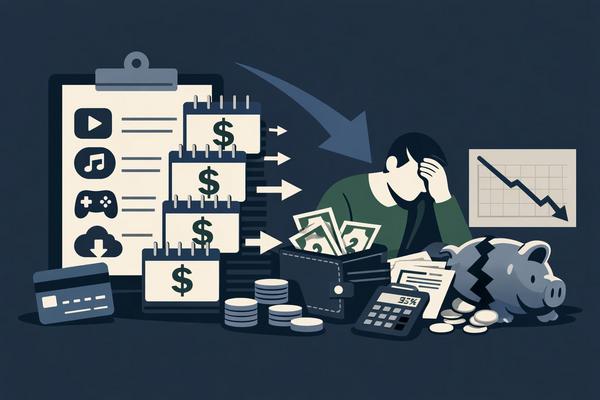
Your card gets charged all month long, and somehow your checking account is empty again before payday. Subscription costs and budget problems usually don’t come from one big mistake. They come from a bunch of small charges you barely notice anymore. A streaming app here, cloud storage there, a meal app you meant to cancel,…
-
The Real Cost of Living Paycheck to Paycheck
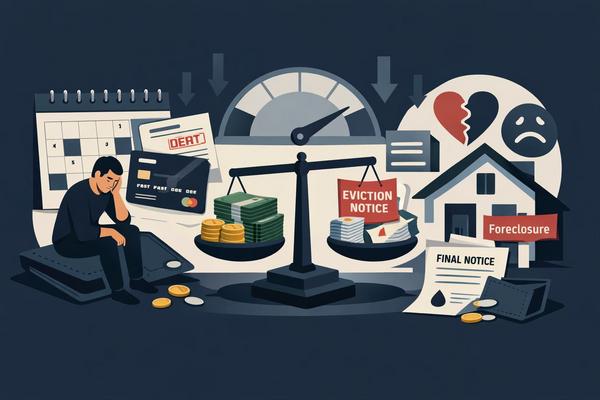
Your rent, groceries, gas, and minimum payments clear your account almost as fast as your paycheck hits — and that cycle is costing you more than you realize. You already know living paycheck to paycheck feels bad. What gets missed is that it doesn’t just create stress — it quietly makes your life more expensive.…
-
Why Your Social Security COLA Never Feels Like Enough
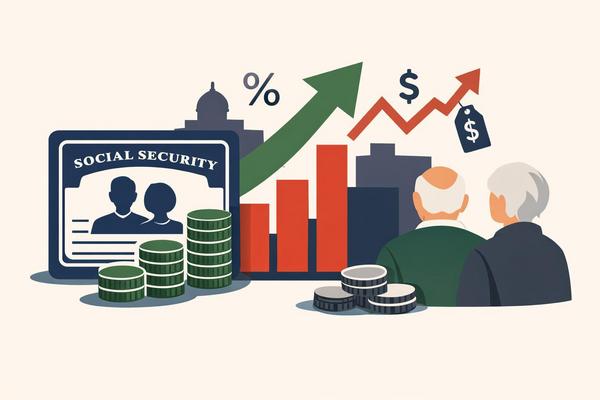
Your grocery bill is up, your Medicare premium jumped, and your Social Security increase still feels too small. You’re not imagining it — and you’re not alone. Social Security is supposed to help your check keep up with inflation. That protection is real, but it doesn’t always match the price increases you actually feel in…
-
Quantitative Easing Explained in Plain English
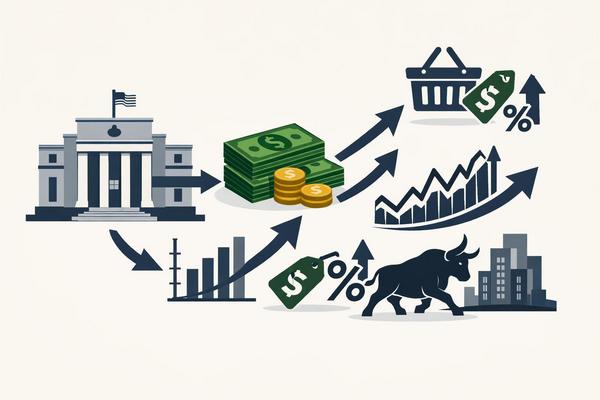
Your grocery bill is higher, mortgage rates swing fast, and the stock market seems to react every time the Fed opens its mouth. Quantitative easing, or QE, is one of those Fed moves that sounds abstract until you realize it can push around bond yields, stock prices, home values, and even what your cash earns…
-
The Debt Ceiling Fight: Why It Keeps Happening
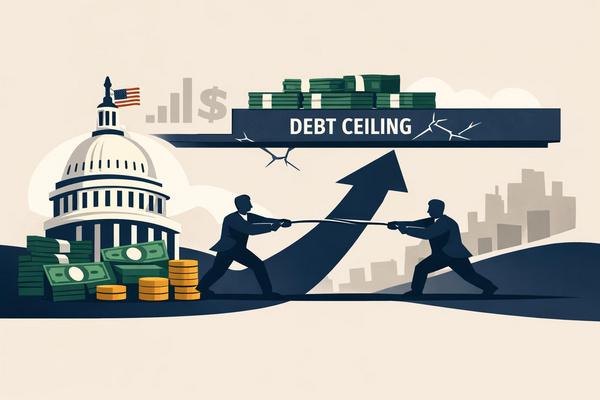
Your 401(k) dips, the stock market gets jumpy, and suddenly everyone’s yelling about the debt ceiling again. If debt ceiling headlines always feel confusing, that’s because the argument sounds bigger and more complicated than it really is. At its core, the US debt ceiling is just a legal cap on how much the federal government…
-
How the National Debt Affects Your Rates and Wallet
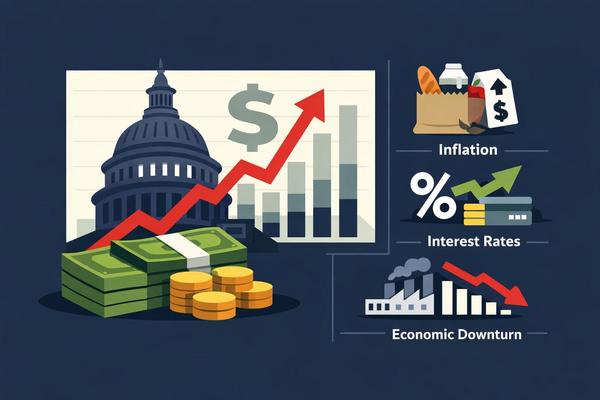
Your grocery bill is higher, borrowing costs more, and it feels like your money doesn’t stretch the way it used to. When people argue about the US national debt, it can sound like background noise from Washington. You hear giant numbers, politicians point fingers, and somehow it all feels far away from your actual life.…