Your 401(k) dips, the stock market gets jumpy, and suddenly everyone’s yelling about the debt ceiling again.
If debt ceiling headlines always feel confusing, that’s because the argument sounds bigger and more complicated than it really is. At its core, the US debt ceiling is just a legal cap on how much the federal government can borrow to pay bills it has already committed to. It doesn’t decide future spending on its own, and it doesn’t magically create new programs. It mainly determines whether the government can keep paying for things Congress already approved.
That’s why these fights feel so strange. Lawmakers vote for spending and tax laws first, then later turn around and fight over whether the Treasury should be allowed to cover the gap. For regular people, that drama matters because markets react every single time.
What the US Debt Ceiling Actually Is
The federal government spends money on things like Social Security, Medicare, military pay, interest on existing debt, tax refunds, and federal salaries. It also collects money through taxes. When spending runs higher than tax revenue, the government borrows the difference by issuing Treasury securities. The debt ceiling is the legal limit on how much total debt the Treasury can have outstanding at once. When that limit is reached, Treasury can’t freely issue more debt unless Congress raises, suspends, or changes the cap.
That part trips people up. The debt ceiling isn’t a vote on whether the government should spend more next year. It’s a vote on whether the government can finance obligations that are already on the books. Think of it like this: Congress already ordered the meal, ate the meal, and got the check. The debt ceiling fight is the argument over whether to hand over the card.
Why Does Congress Keep Fighting Over It?
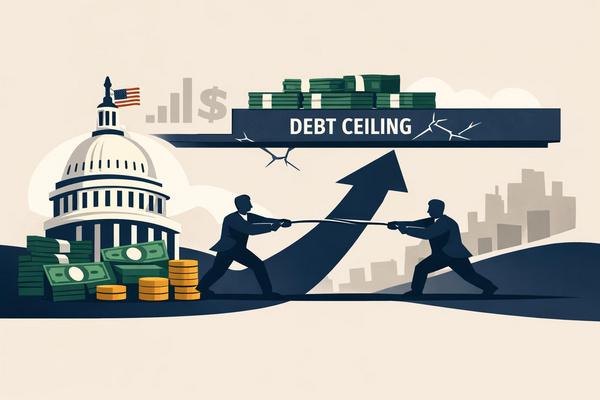
The debt ceiling keeps turning into a political weapon because it’s one of the few must-pass deadlines in Washington. Members of Congress use it to push for spending cuts, tax changes, or broader budget deals. If one party controls the House and another controls the White House or Senate, the debt ceiling becomes leverage. Everybody knows default would be dangerous — and that’s exactly why the deadline gets used in negotiations.
There’s also a messaging angle. Voting to raise the debt ceiling can look bad in a campaign ad because it sounds like voting for more debt. Even if that’s not what the vote really means, plenty of politicians would rather talk tough about debt than explain the mechanics. That leaves the public with a misleading picture. The real choices that drive the debt are tax policy and spending policy. The debt ceiling fight comes after those choices have already been made.
Other countries usually handle borrowing as part of the normal budget process. The US treats it like a second showdown, and every showdown creates a chance for brinkmanship. That’s why these standoffs keep repeating.
What Happens When the Ceiling Gets Hit
Hitting the debt ceiling doesn’t mean the government shuts down that same afternoon, but it does start the clock. Once the cap is reached, the Treasury uses what’s called extraordinary measures — accounting moves that buy time by temporarily freeing up room under the limit. They don’t solve the problem. They just delay the day when the government could run short of cash.
That deadline is often called the X-date. If Congress still hasn’t acted by then, the government may not be able to pay all its obligations on time — bondholders, contractors, benefit recipients, and more. Even getting close to that point can rattle financial markets because Treasury debt is supposed to be the safest asset in the world. If investors start wondering whether the US will pay on time, even briefly, that uncertainty spreads fast.
When Markets React Before Anything Actually Breaks
Markets don’t wait for a full-blown disaster. They react to rising odds of one. That’s why you see volatility well before any actual missed payment. Stocks can swing, Treasury bill yields can jump, and business confidence can weaken. Credit rating agencies may also step in if they think the political system is becoming less reliable — the US already lost its top credit rating from one major agency after a previous debt ceiling standoff.
Even when lawmakers eventually cut a deal, the repeated chaos still has a cost. Borrowing can get more expensive. Investors demand a little more caution premium. Federal agencies and contractors have to plan around uncertainty. It’s one of those Washington fights that leaks into the real economy long before most people understand what they’re watching.
How This Shows Up in Your Actual Life
You don’t need to own a bond portfolio for this to affect you. If markets get shaky, your retirement account moves with them. If uncertainty slows hiring or business investment, that can hit jobs and wages. And if the broader economy takes a confidence hit, everybody feels it eventually through spending, lending, or market fallout. For most people, the effects show up in familiar places:
- Your 401(k) or IRA may get more volatile.
- Mortgage and other borrowing rates can shift as markets react.
- Consumer confidence can drop, which slows business activity.
- Federal workers, contractors, and benefit recipients may worry about delayed payments.
- News-driven panic can push people into bad money decisions.
A debt ceiling fight is political theater, but the market reaction is real. Even when the crisis gets resolved, the uncertainty can still cost people money.
How to Follow It Without Getting Lost in the Drama
The smartest way to understand the debt ceiling is to separate the politics from the plumbing. The politics are about leverage, messaging, and budget fights. The plumbing is about whether the Treasury can keep paying bills on time. Once you split those apart, the whole issue gets easier to follow. When you see headlines, ask yourself: did Congress already approve the spending involved? Is this fight about future budgets or paying existing obligations? How close are we to the X-date? Are markets reacting to real missed payments, or just to uncertainty and brinkmanship?
The debt ceiling is a self-imposed limit that America keeps hitting, and every time Congress turns it into a standoff, markets feel it. That framework keeps you from falling for the usual noise — and from overreacting with your own money when the headlines get loud.
If this made sense, the next thing worth understanding is how federal budget deficits differ from the national debt and why that distinction actually matters.