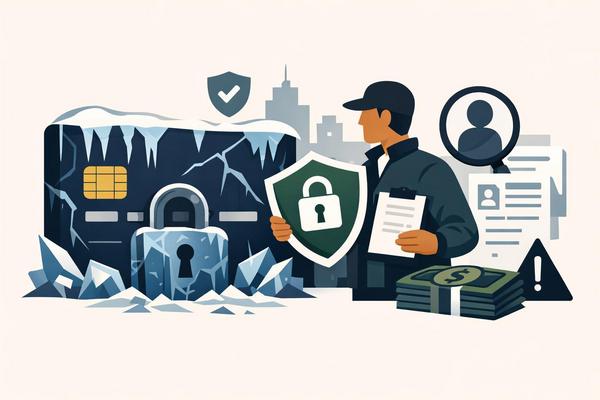
If your Social Security number has been floating around in a data breach, or your wallet went missing, or you just got one of those “your information may have been exposed” emails — a credit freeze is one of the smartest moves you can make right now.
A lot of people confuse a credit freeze with credit monitoring or a fraud alert, but they’re not the same thing. Monitoring tells you something may have happened after the fact. A fraud alert asks lenders to take extra steps before opening credit. A freeze is stronger because it blocks access to your credit file entirely unless you lift it yourself.
What a Credit Freeze Actually Does
When you freeze your credit, the three major bureaus — Equifax, Experian, and TransUnion — restrict access to your credit report. Most lenders need to pull that report before approving a new credit card, auto loan, personal loan, or mortgage. So even if a scammer has your name, address, date of birth, and Social Security number, they usually hit a wall because the lender can’t get into your file.
It won’t stop charges on a card that’s already open. It won’t protect your bank account from every kind of fraud, and it won’t prevent tax refund fraud or medical identity theft on its own. But for new-credit fraud — someone trying to open accounts in your name — it’s one of the best tools you’ve got.
Why It Works Better Than Most People Expect
The credit system runs on speed. Banks and card issuers want to approve applications fast, and that convenience helps regular people but also helps thieves when your information has already been exposed. A freeze changes the default from open access to locked access — and that’s the whole point. Instead of hoping a customer service rep catches something suspicious at the right moment, you make it structurally impossible for most new applications to move forward without your involvement.
That’s why a credit freeze prevents damage instead of just helping you clean up the mess afterward.
How to Do It Without Overcomplicating Things
You need to place a freeze with each of the three major bureaus separately. Freezing one does not freeze the other two. Federal law lets you freeze and unfreeze your credit for free, so if any site pushes you toward a paid upgrade, know that the freeze itself costs nothing.
Each bureau will ask for basic information: your full name, date of birth, Social Security number, current address, and sometimes past addresses or identity verification questions. Once your freeze is in place, save your login info, confirmation emails, and any PIN or security details tied to each account. You don’t want to be digging through old emails when you’re trying to close on a car loan Saturday morning.
What Lifting a Freeze Looks Like
When you’re ready to apply for credit, you can temporarily lift the freeze before the lender pulls your report. If you know which bureau they use, you can lift just that one. Otherwise, it’s usually easier to lift all three for a short window — a day or two is plenty. The freeze is reversible, so you’re not giving up access to credit. You’re just putting yourself back in control of when that access happens.
When It Makes the Most Sense to Freeze
Most people wait until after something goes wrong. That’s understandable, but a freeze works best before someone tries to use your information. You should seriously consider freezing your credit if:
- You’ve been notified your data was part of a breach
- Your Social Security card, driver’s license, or wallet was lost or stolen
- You got suspicious mail about accounts you never opened
- Your personal info was exposed in a hack, phishing scam, or work database leak
- You’re not planning to apply for new credit anytime soon
That last one matters more than people realize. If you’re not shopping for a mortgage, car loan, apartment, or new credit card, there’s not much downside to keeping your credit frozen most of the time. Lift it when you need it, lock it back when you’re done.
Kids and Older Adults Are Targets Too
Credit freezes also make sense for minors and older family members who aren’t regularly applying for new credit. Children are common targets for identity theft because their files can go unnoticed for years — sometimes until they’re old enough to apply for their first credit card or student loan. Older adults can be more vulnerable to scams and data theft as well. If someone isn’t actively using new credit, a freeze is often the safest default.
What a Freeze Won’t Cover
It’s easy to hear “freeze your credit” and assume you’re protected everywhere. You’re not, and it’s worth knowing the limits so you don’t get a false sense of security. A credit freeze generally won’t stop fraud on existing credit cards or loans, block someone from draining a bank account, or replace solid password habits and regular statement checks. Think of it as a deadbolt on one important door — not a full home security system. That’s still genuinely valuable. You just want to be clear on which problem it’s solving.
If You’re Still on the Fence
Most people don’t need new credit every week. What they do need is a way to reduce the odds that one stolen password, one breached database, or one piece of lost mail turns into months of cleanup — disputing fraudulent accounts, calling lenders, filing identity theft reports, and trying to repair your credit score. Compared to all of that, the minor inconvenience of lifting a freeze before you apply for something is nothing.
A credit freeze is free, reversible, and one of the most effective tools available for protecting yourself from identity theft. Freeze it before you need it, lift it when you actually apply, and leave it locked the rest of the time if you’re not shopping for credit. That’s the cleanest, most practical way to use it.
If this made sense, the next thing worth understanding is the difference between a credit freeze, a fraud alert, and credit monitoring — and when each one actually makes sense to use.