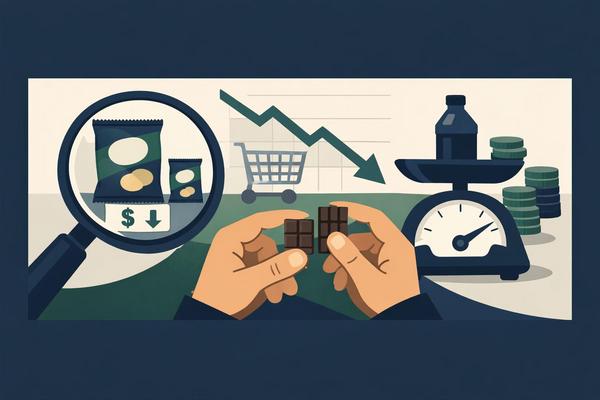
Your favorite snacks, cereal, and paper towels keep costing the same — but somehow they don’t last as long anymore.
Shrinkflation is when a company keeps the price the same or raises it slightly while quietly giving you less product. That might mean a bag of chips with fewer ounces, a roll of paper towels with fewer sheets, or a carton of ice cream that looks identical on the shelf but holds less than it used to. It’s one of the easiest ways brands pass higher costs on to you without making the price jump look obvious.
If you’ve been wondering why groceries seem to disappear faster even when your receipt doesn’t look dramatically worse, this is a big part of the answer. Most people notice a higher sticker price right away — but a smaller package is a lot easier to miss.
What Shrinkflation Actually Means
The simple definition: you pay the same amount and get less. Sometimes the sticker price stays exactly where it was. Sometimes it nudges up a little while the size goes down too. Either way, your cost per ounce, pound, sheet, or count gets worse without you realizing it.
Think of it this way. If a 16-ounce box of crackers becomes a 14-ounce box and still costs $4.99, the company didn’t just change the packaging. You’re paying more for every ounce, even though the shelf price looks familiar. That’s exactly why it works — most people shop fast, recognize the brand and the rough price, and toss it in the cart without a second look.
Why Companies Do This Instead of Just Raising Prices
Companies deal with the same cost pressures you do. Ingredients cost more. Shipping costs more. Labor and packaging cost more. When those expenses rise, brands have to protect their margins somehow. They can raise the listed price, use cheaper ingredients, shrink the package, or do some combination of all three.
For a lot of brands, shrinking the package feels safer than posting a higher price. They know shoppers react fast to a jump from $4.99 to $5.79. They also know most people won’t notice if the package drops from 16 ounces to 14.5. Shrinkflation is often a marketing decision as much as a cost one — and it works because most of us compare sticker prices, not unit prices, and buy on habit.
What It Looks Like at the Store
Shrinkflation doesn’t announce itself. It hides in small print and familiar packaging. A bag may look taller because of its shape even though it holds less. A bottle may get narrower in a way that’s hard to catch at a glance. A brand may refresh the label while quietly reducing what’s inside.
Common examples include a cereal box with fewer ounces at the same shelf price, a bag of chips with more air and less product, a pack of toilet paper with fewer sheets per roll, a jar of peanut butter that drops in ounces but keeps the same jar style, or an ice cream container that goes from 64 ounces down to 56 or even 48. You’ll see it in groceries most often, but household goods — paper products, cleaning supplies, coffee, detergent, pet food — are all common targets too. If a product seems to run out faster than it used to, there’s a good chance shrinkflation is the reason.
How to Catch It When You’re Shopping
You don’t need to turn every grocery run into an accounting project. A few simple habits will catch most of it.
Check the unit price, not just the shelf price
The unit price tells you what something costs per ounce, pound, quart, or count. It’s usually printed in smaller text on the shelf tag and it’s one of the most useful numbers in the entire store. Two cereal boxes may both be around five bucks, but if one costs 31 cents an ounce and the other costs 38 cents an ounce, the second one is the worse deal — even if the boxes look almost identical.
Look at net weight and item count
Skip the front of the package and go straight to the ounces, fluid ounces, sheets, pods, or total count. Brands redesign packaging all the time, and a taller bottle or wider box can trick your eye. The net amount printed near the bottom is harder to fake and tells you more than the shape ever will.
Notice when a product runs out faster
If the coffee you always buy suddenly lasts three days less, or the trash bags in the same-looking box seem to disappear quicker, pay attention. Same brand, same rough price, less use out of it — that’s shrinkflation in plain terms. You don’t need a spreadsheet. Just notice the pattern.
Compare store brands and competitor sizes
When national brands shrink packages, store brands sometimes hold size longer. Not always, but often enough to check — especially for basics like oats, pasta, frozen vegetables, paper towels, and cleaning supplies. Loyalty to a familiar brand can quietly cost you more when package sizes start sliding.
What You Can Actually Do About It
You can’t stop companies from using shrinkflation, but you can make it hurt your budget less. Compare unit prices before defaulting to your usual brand. Buy based on size and value, not just packaging. Switch brands when the math stops working in your favor. And be extra alert when a package says “new look” or gets redesigned — that’s often when the size quietly drops.
The point isn’t to obsess over every ounce. It’s to stop paying more by accident. Over a month, shrinkflation on snacks, drinks, paper goods, and pantry staples can quietly add a noticeable chunk to your grocery bill — and that matters for any budget, whether you’re tracking every dollar or just trying to keep spending reasonable.
The Bottom Line
Shrinkflation isn’t complicated once you know what to look for. The price stays the same, the package gets smaller, and most people never notice until they’re spending more and getting less. Start checking unit prices and net weight, and you’ll spot it fast enough to make smarter calls with your money — because the shelf price only tells part of the story.
If this made sense, the next thing worth understanding is why your grocery bill can stay high even after inflation headlines start cooling off.