-
How to Build Credit From Scratch
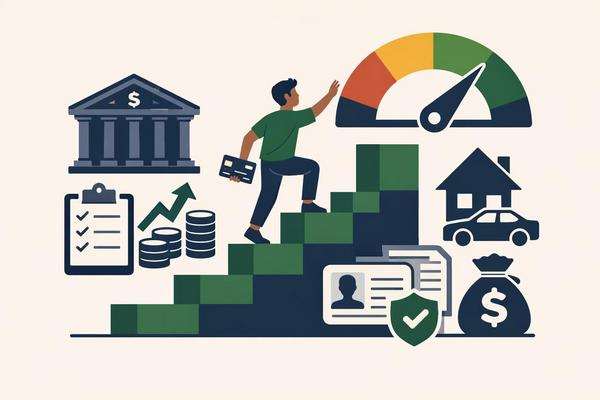
Your applications keep getting denied — or approved with lousy terms — because you have no credit history, not because you did anything wrong. You can pay your rent on time, keep money in the bank, and still get treated like a question mark by lenders. That’s the weird part about starting from zero: no…
-
How to Save Money on Groceries Without Extreme Couponing
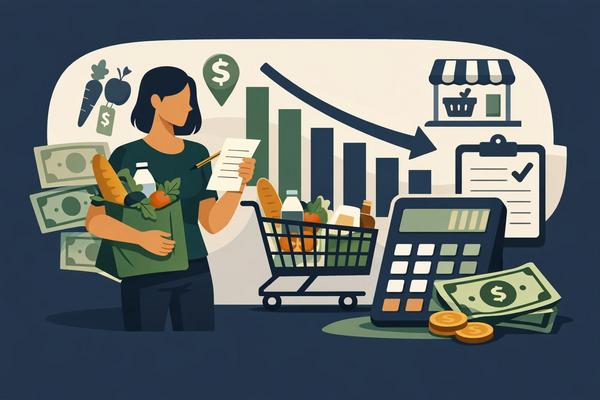
Your grocery bill keeps climbing, and you’re tired of hearing that the answer is spending your Sunday clipping coupons. You’re not imagining it. Groceries cost a lot more than they did a few years ago, and for most people, the old advice doesn’t fit real life. You don’t need a binder full of coupons, five…
-
What Is Shrinkflation and How Do You Spot It?
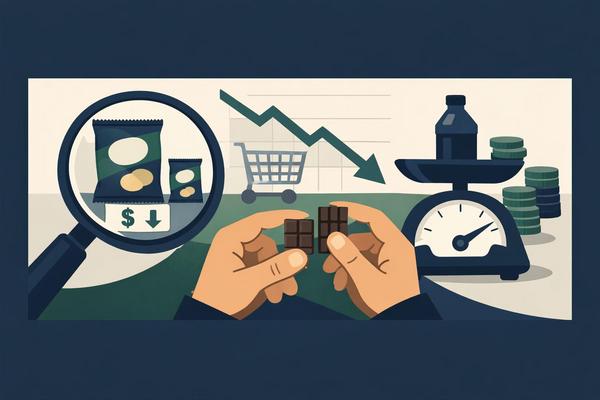
Your favorite snacks, cereal, and paper towels keep costing the same — but somehow they don’t last as long anymore. Shrinkflation is when a company keeps the price the same or raises it slightly while quietly giving you less product. That might mean a bag of chips with fewer ounces, a roll of paper towels…
-
How to Set Financial Goals That Actually Stick

Your budget looks fine on paper, but a month later you’re back to impulse spending and wondering why your money goals never last. You probably don’t have a discipline problem. You probably have a goal problem. A lot of financial advice tells you to set a target, pick a number, and grind until you get…
-
Why You Need a Will Before It’s Too Late
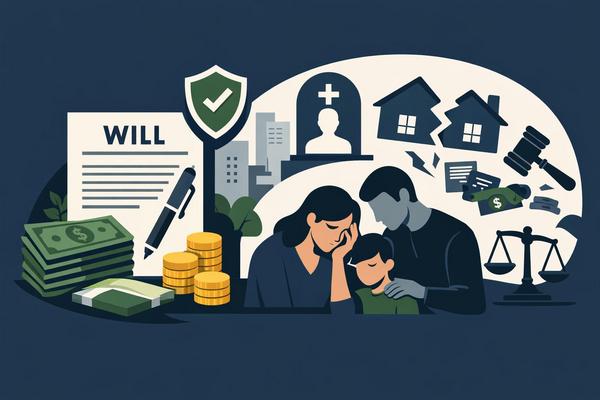
If you die without a will, your family could end up stuck in court — sorting through your finances and guessing what you actually wanted. Most people put off writing a will for the same reason they put off cleaning out the junk drawer. It feels annoying, uncomfortable, and easy to deal with later. Then…
-
How to Talk About Money Without Fighting
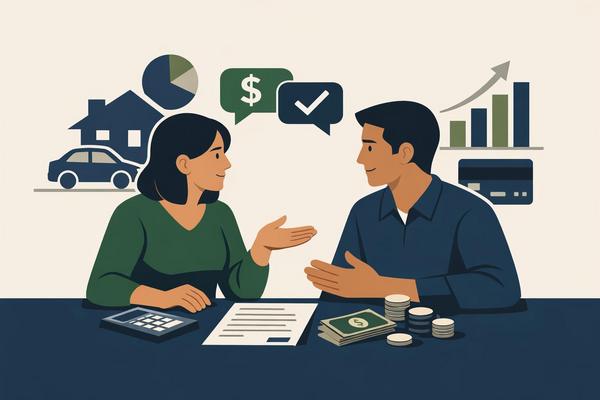
Your budget talks keep turning into the same fight — about spending, saving, and who’s being irresponsible. Money fights usually aren’t just about money. They’re about pressure, control, fairness, guilt, and the fear that you’re not building the same life together. That’s why so many couples can talk about work, kids, and schedules just fine,…
-
How the Payday Loan Trap Actually Starts
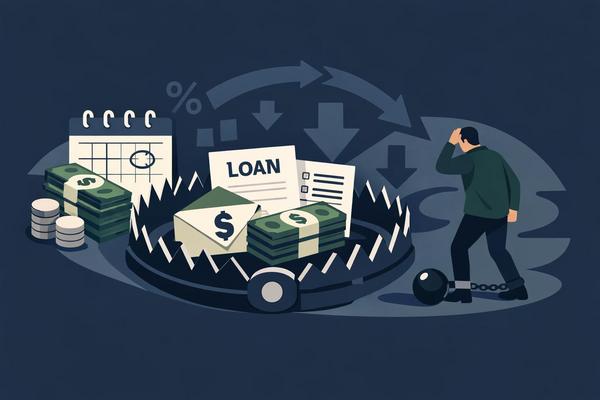
Your rent is due, your account is low, and a payday loan looks like the fastest way to keep everything from falling apart. When you’re short on cash and the bills don’t care, payday lenders know exactly how to look helpful. They offer quick money, barely ask questions, and make it sound like you’re just…
-
Job Loss Financial Survival: What to Do First
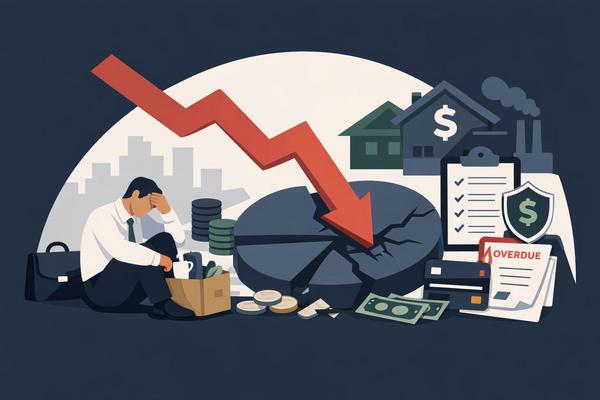
Your paycheck stopped, the bills didn’t, and the next 30 days suddenly matter more than the last 12 months. Losing a job hits on two levels at once. Your income drops fast, and your brain starts racing even faster. Rent, groceries, health insurance, credit cards, your car payment — all of it is still there…
-
The True Cost of Owning a Car
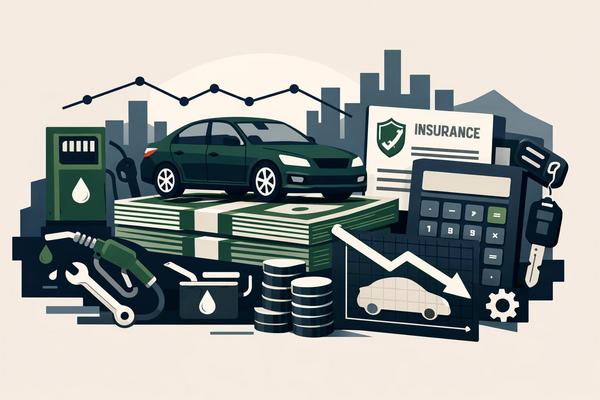
Your car payment looks manageable — but the real hit shows up in gas, insurance, repairs, and lost value before you even see it coming. If you’re trying to figure out what a car really costs, the sticker price is only the opening number. A car drains money in ways that are easy to ignore…
-
Renting vs. Buying: When Renting Is the Smarter Move
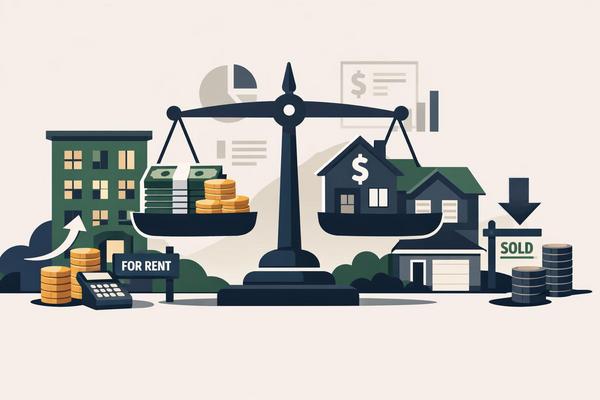
Your rent check stings every month, but the thought of buying a house right now feels even riskier — and you’re not wrong to feel that way. You’ve probably heard some version of the same line for years: renting is throwing money away. That sounds smart until you actually run the numbers. For a lot…