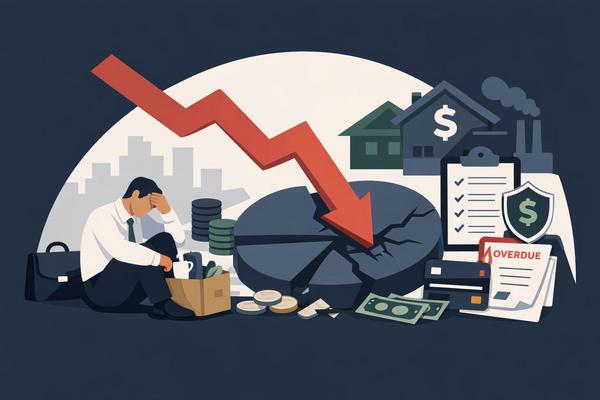
Your paycheck stopped, the bills didn’t, and the next 30 days suddenly matter more than the last 12 months.
Losing a job hits on two levels at once. Your income drops fast, and your brain starts racing even faster. Rent, groceries, health insurance, credit cards, your car payment — all of it is still there waiting for you. Most of the damage after a job loss doesn’t come from one giant mistake. It comes from a messy first month where you’re stressed, guessing, and trying to keep everything going like nothing changed.
If you just lost your job, this is the moment to stop thinking in vague terms like “cut back” and start making very specific moves. You don’t need a perfect long-term plan today. You need a short-term survival plan that protects your cash, keeps essential bills covered, and buys you time to make better decisions.
Get Brutally Clear on Your Cash First
Before you apply for anything or cancel anything, figure out exactly how much money you have access to right now. That means your checking account, savings, any severance, your final paycheck, unused PTO if your employer owes it, and any side income still coming in. Don’t count your 401k like it’s normal cash. Don’t assume a tax refund will save you. Don’t include money that hasn’t actually landed.
Once you have that number, list your bills by category. Keep it simple — you’re separating what keeps your life running from what can wait.
- Must-pay: rent or mortgage, utilities, groceries, gas, insurance, minimum debt payments, phone, medications
- Important but flexible: internet upgrades, subscriptions you actually use, gym, eating out, shopping
- Pause or cut now: streaming you barely watch, app subscriptions, auto-ship orders, anything tied to your old work routine
This isn’t about becoming a monk overnight. It’s about shifting from your old income life to your current reality before your bank account makes the decision for you. If you know your monthly bare-minimum number, you immediately lower the odds of panic spending and missed payments.
What Needs to Happen in the First Week
A few things matter more than everything else right after a layoff or termination. Some of them are boring. That’s fine — boring is usually what protects your finances.
File for Unemployment Fast
Do this as soon as possible, because waiting can cost you real money. Unemployment benefits are state-based and the timing rules vary, but delays rarely help you. Have your employer information, dates of employment, and separation details ready. Even if you’re not sure whether you qualify, apply and let the state decide instead of talking yourself out of benefits.
Find Out What Happens to Your Health Insurance
Losing a job can also mean losing employer health coverage, and that can turn into a financial disaster fast if someone gets sick or needs a prescription. You may have options like COBRA, a spouse’s plan, Medicaid depending on your income, or an ACA marketplace plan. COBRA is often expensive, but don’t assume it’s your only option. Health insurance decisions feel separate from a job loss, but they’re really part of your emergency budget.
Plug the Silent Leaks in Your Bank Account
Open your credit card and bank statements and look for recurring charges. A lot of people are genuinely shocked by how much money leaves without a conscious decision — subscription renewals, software, meal kits, premium channels, cloud storage, memberships. Cancel the easy stuff now. That gives you breathing room without wrecking your actual quality of life.
Why the First 30 Days Are Where People Get in Trouble
The dangerous part of job loss is that your old financial system keeps operating after your income has changed. Autopay keeps firing. Your spending habits still match your old paycheck. You tell yourself it’s temporary, so you wait a few weeks before adjusting — and then a few weeks becomes a month. That lag between income loss and behavior change is where a lot of unnecessary financial damage happens.
Most American households are built around steady income. Bills are monthly. Insurance is monthly. Debt is monthly. That doesn’t mean you failed. It means the system is less forgiving than people like to admit. The person who adapts fastest usually comes out in better shape than the person who stays “normal” for too long.
Start Calling Creditors Before You Miss a Payment
One of the smartest moves right after losing a job is contacting lenders and service providers before you fall behind. That includes your credit card companies, auto lender, mortgage servicer, landlord if needed, and utility providers. You’re not asking for a miracle — you’re asking what hardship options exist. Some companies may offer payment deferrals, temporarily reduced payments, waived late fees, adjusted due dates, or short-term hardship plans.
Not every company will help, and not every offer is a good one. Still, calling early usually gives you more options than waiting until you’re already delinquent. Take notes on every conversation — write down the date, the rep’s name, and what they told you. If something changes later, you’ll want that paper trail.
If You’re Thinking About Tapping Savings, Credit Cards, or Retirement Money
If you have an emergency fund, this is exactly what it’s for. Use it carefully and intentionally. If you don’t have savings, the temptation is to lean hard on credit cards or raid retirement accounts — and sometimes people do both because they feel like they have no choice. Try to protect your future self from turning a job loss into a long-term debt problem. Credit cards can help with short-term gaps, but high interest can make a rough month turn into years of cleanup. Pulling from a 401k or IRA may trigger taxes, penalties, or the permanent loss of retirement growth depending on your age and account type. That doesn’t mean never — it means these should be late-stage options after you’ve cut spending, claimed benefits, and explored hardship programs.
If severance is coming, don’t spend it like a bonus. Treat it like runway. Its job is to extend the amount of time you can cover necessities while you figure out your next move.
Your Real Job Right Now Is Buying Time
You’re probably already thinking about resumes, networking, side work, or whether you need to switch industries. All of that matters. But the financial side comes first because it creates the breathing room to make better career decisions. When every bill feels like a fire alarm, people take the first thing available whether it helps long-term or not.
Build a 30-day survival version of your money life: know your cash on hand, cut nonessential spending now, file for unemployment, lock in a health insurance plan, call creditors early if needed, use savings strategically rather than casually, and track every dollar for the next month. Losing a job is one of the most financially stressful things that can happen — and most people aren’t prepared for the first 30 days. Keep the focus simple: protect cash, cover essentials, and slow the damage before it spreads.
If this made sense, the next thing worth understanding is how to rebuild an emergency fund once your income starts coming back.